
.jpg)
Eat
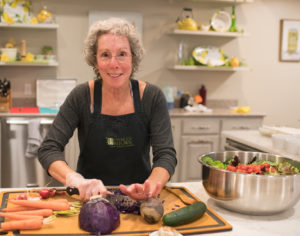
Split-Pea Barley Soup: One of my all time favorites!
This quick, easy, and fabulous-tasting soup is a welcome shift in cooking and eating that acknowledges the change of season, from summer to fall.
Time required: 1 hour total, but ONLY 15 minutes of your physical presence in the kitchen is required!
Ingredients:
1 cup dried split peas, rinsed
1 cup barley, rinsed
1 medium purple onion, diced
5 cloves garlic, crushed and chopped
2 carrots, sliced
2 celery stalks, sliced
cumin
pepper and salt to taste
olive oil
Directions:
- Place peas in a large pot with enough water so that the water line is 2 inches above the peas; bring to a boil, cover and simmer for 45 – 60 minutes. Keep an eye on the peas after 45 minutes, so they do not become overcooked and mushy!
- Place barley in a different pot with 2 cups of water, bring to a boil, cover and simmer for 30 minutes. Set aside.
- While the peas and barley are cooking, enjoy a glass of wine. Then sauté the onions in olive oil, on low until they are tender. Add in the garlic, carrots and celery, a tad of pepper and salt, and sauté for just a couple of minutes until the veggies start to soften but do not become overcooked.
- Add to the cooked peas: the cooked barley, and cooked veggies. Gently mix it all up. Sprinkle cumin—at least 1 teaspoon—but probably more to give it a divine flavor. Add pepper and a smidge of salt to your preferred taste.
There are two types of cooks: those that measure ingredients and those that do not. Those that follow recipes and those that do not. I do not. I love being in the kitchen creating a masterpiece, and have been cooking from scratch for nearly 30 years! Eyeballing how much to add, tasting frequently to be sure that I am getting it right is part of the fun for me. If “winging it” does not feel right to you, by all means use recipes and measure away. I have to say that my husband, when eating a delicious meal that I have lovingly prepared, will often sigh and say, “well, I won’t be enjoying that meal again…” What he means is that my meals do not taste the same way twice! Since I don’t use recipes or measure, I run the risk of not being able to recreate that fabulous meal the next time around. Life is an adventure!
1st Note: If you like soupy soup, you’ll want to have a water line remaining above the peas when they are done cooking—keep an eye on the peas while they are simmering to see if more water should added. If you like porridge style soup, then you can let all the water slowly absorb and evaporate in the cooking.
2nd Note: This is a chunky soup, which is how my husband and I like it! If chunky is not your preference, you are welcome to put the yummy concoction into a food processor to gently blend it to your desired consistency.
3rd Note: I taste while I cook. It is important to test the consistency of the grains, legumes, beans, pastas, and veggies, as well as the flavors once you begin to add spices.
Final Note: When cooking grains such as barley, millet, rice, etc. the ratio is 1 part grain to 2 parts water. The cook time is typically 30 minutes, but not always…quinoa for instance is cooked in 12 – 15 minutes, as are oats, but polenta (coarse corn meal) takes at least 45 minutes. This is where playing around in the kitchen is recommended so that you will gain confidence, as well as practical understanding of time required to create a fabulous meal.
The Really Final Note: When combining bean or legumes and grains, as in this soup, you are ingesting an incredible amount of fiber and protein. Way to go! Think of all the possibilities in other yummy soups and casseroles in which you bring beans and grains together. I will include additional recipes of my favorites in upcoming newsletters.
Happy Eating!
Robin Recommends…Paul Martin’s American Bistro
Paul Martin’s American Bistro

Proprietors: Brian Bennett, Paul Fleming
Services: At the heart of all great food is fresh, local, peak of the season ingredients. Paul Martin’s aims to take diners back to the farm with meat raised in a humane and wholesome way, locally sourced organic produce, the best of both wild and farmed fish, artisan cheeses and cured meats from small local purveyors. Brian and Paul spent more than a year handpicking the sources for Paul Martin’s menu. The thorough search produced 40 partnerships with thoughtful, local farmstead producers, 80 percent of whom are located in Northern California and with the opening of El Segundo they have developed a great network of local southern California producers as well.
Robin’s Thoughts: What a find! When you dine at Paul Martin’s American Bistro, you will have the pleasure of eating real food. The focus of Paul Martin’s American Bistro is to offer healthy and delicious choices that not only taste great but also are good for you, and good for the planet. The chef will prepare your meal just as you want it to be, including special requests such as vegan, vegetarian, or gluten-free. Visit their restaurants in Roseville or El Segundo — you will be glad you did!
Contact Info
Web: http://www.paulmartinsamericanbistro.com
Phone: 916-783-3600, 310-643-9300
Email:ben@paulmartinsamericanbistro.com, mark@paulmartinsamericanbistro.com
 Posted in restaurants, Robin Recommends... |
  Tags: Eat, healthy, organic, restaurant |
  No Comments »
Sticking to the program while traveling: is it possible?
In my home environment, I have a routine: regular exercise, healthy meals, and time to quiet my busy mind. In familiar territory, this works well. Whew.
Visiting in Washington, DC, I am experiencing the challenge of maintaining my typical healthful behaviors–I am out of my routine. For the past few days, I have thought often of how to enjoy this working vacation; how to balance sightseeing in the nation’s capital, business meetings, humid weather, and restaurant meals.
Here are some of the strategies that I have utilized thus far:
1. Walk, walk, walk! Most urban vacations provide an opportunity to walk versus renting a car or taking public transportation. Take advantage of this whenever possible. We must have put in 5 – 8 miles each day. Although walking does not evoke for me the same “exercise response” as riding my bike does, it ramps up metabolism, maintains a high level of energy, and helps to burn the excess calories in case those restaurant meals are larger than usual. If you are enjoying a more rural vacation, there will be hiking trails to keep you active. Walking considerations include:
- staying well hydrated
- wearing comfortable shoes (do I sound like my mother?!)
- being prepared for weather
This morning, I “went for a walk”. This was an intentional exercise session: 1 hour of more vigorous walking in a lovely park near the hotel. The other option is the hotel exercise area. All hotels have a gym nowadays; stationary bicycles, treadmills, elliptical machines. A half hour here will be a terrific contribution to your health and support your usual routine.
Eating out each meal may seem a bit daunting, but it need not be! I would encourage staying away from buffets, especially the breakfast buffets that offer white flour bagels, sweet rolls, commercial yogurt (check for HFCS in the ingredient list), and toaster waffles. These processed foods will quickly elevate your blood glucose level, leading to a “crash” a couple of hours later, that will leave you hungry, grumpy, or both. Not a pretty sight.
Try to find fresh fruit, whole grain toast, eggs, good quality yogurt, milk or cottage cheese, or a small bowl of oatmeal to start your day. Carry water with you to stay hydrated during the day as you are out and about. Stick an apple in your backpack to share with your travel mate mid-morning to maintain your energy, blood glucose, and metabolism. Look for a salad at lunch, with a protein added, such as a scoop of tuna or a half chicken breast. Or share a sandwich and add a cup of soup into the selection. Think about having a mid afternoon snack, such as an orange or fruit sweetened popsicle, to avoid over-eating at dinner. Dinner, ah yes, the big challenge. You might consider skipping the bread. A sacrilege, I know! Good bread is so, so delicious BUT we have a tendency to overeat if we have bread while studying the menu. I am merely suggesting this as a consideration, particularly if you are having an alcoholic beverage. Perhaps you would like to order a spinach salad or other greens before dinner. Suggest to the waitperson that you would like the dressing on the side or ask for olive oil. Sharing an entree is a possibility, as the portion size will likely be quite adequate. Eat slowly, savoring the flavor, enjoying the conversation, and after 10 (ten) minutes you will be delightfully pleased with how satisfied your stomach feels.
Dessert is an option of course. You are on vacation after all! Did you walk a lot during the day? Or have time to go to the exercise area in the hotel? What were the rest of your food choices like for the day? What’s planned for tomorrow? These are but a few considerations to mull over prior to the dessert menu being offered. Sharing a dessert is an excellent strategy to minimize the calorie intake. Remember my suggestion of taking small bites, putting down the spoon, taking a long moment to roll the yummy flavor around your mouth, delight in the texture, and swallow completely before you pick up the spoon again!
Travel is a real treat. Whether you are in the mountains, at the ocean, in a sprawling city, or a national park, you can remain committed to your healthful routine of eating well, staying physically active, and taking a few moments to sit quietly and relax, without compromising a fun, lively, and interesting vacation.
Where are you going to travel to next?
Posted in Balance, Move | Tags: activity, Eat, Exercise, Relax, vacation, Washington DC | No Comments »Eat Often, Eat Well: Enjoy 5 smalls each day!
Sound too good to be true?
It is true! Eating often is a healthy approach to food intake—but keep the key concept of this healthful way to eating in mind: SMALL portions.
When we eat often, our body is better able to regulate the balance between blood glucose and insulin. When we eat infrequently and/or take in too much food at one meal, the balance of glucose and insulin is adversely affected, leading to weight gain in the short run, and an increased risk to develop Type 2 diabetes in the long run.
Glucose is the marvelous source of fuel that is derived from eating carbohydrates, and which is used efficiently by our body as energy. Our brain needs energy to compose a piece of music, pay bills, or write a business proposal and our body requires energy to unload groceries, walk up stairs, or ride a bicycle.
Carbohydrates are digested into glucose (sugar) and packaged up to be used as energy. Eating carbohydrates often throughout the day will allow for a relatively stable blood glucose level, keeping our brain and muscles well fueled. A stable blood glucose level will also diminish the chance for becoming ravenous, which may lead to a too-large meal being eaten in response.
Insulin is the hormone, manufactured in the pancreas, which moves glucose into the cell so it can be used as this effective fuel source. When the pancreas is stimulated frequently due to eating small meals often, it releases a regulated amount of insulin—just the right amount required to aid in the proper metabolism of the small meal that was just eaten. The balance between glucose and insulin is maintained. Read the rest of this entry »
Posted in Eat, Educational Handouts | Tags: carbohydrates, Eat, glucose, insulin, metabolism | No Comments »